What Skin Laxity Concerns Can HIFU Treatment Help Improve?
Skin laxity refers to the gradual loss of firmness and elasticity that makes the skin appear loose, less defined, or less resilient. It commonly develops with age as collagen and elastin levels decline. Sun exposure, lifestyle habits, and natural changes in skin structure can also influence how noticeable these concerns become. People researching HIFU Treatment Cost in Dubai may also want to understand how this non-surgical approach relates to visible skin laxity and facial definition. Recognizing the specific areas affected can help individuals develop realistic expectations about skin-firming options.
How HIFU Treatment Relates to Skin Firmness
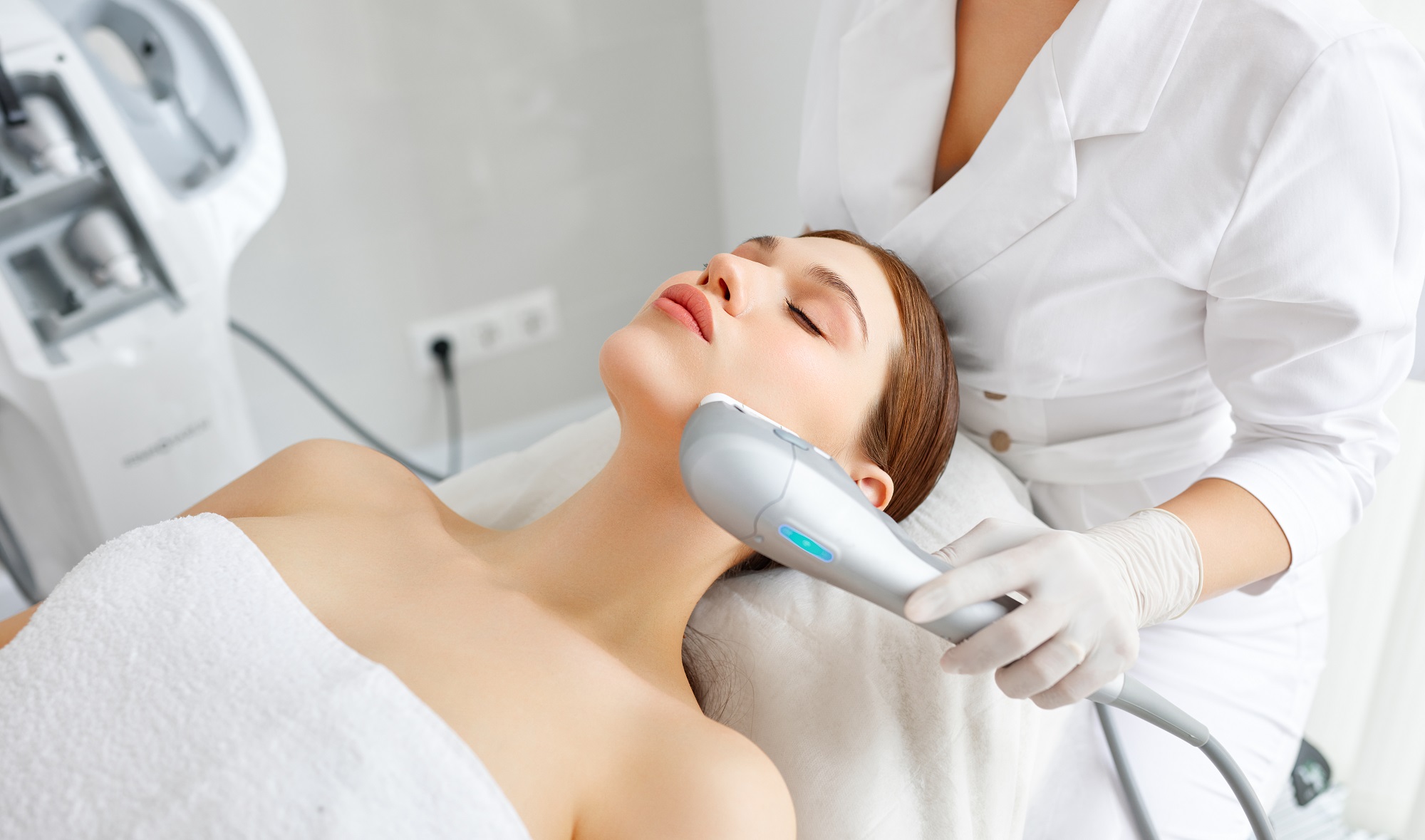
High-Intensity Focused Ultrasound (HIFU) uses focused ultrasound energy to target selected layers beneath the skin's surface. The energy creates controlled thermal points that stimulate the body's natural collagen-remodelling response. Collagen is an important structural protein that supports skin firmness and resilience.
HIFU is commonly considered for mild to moderate laxity rather than extensive sagging. Its suitability depends on the individual's skin condition, treatment area, and personal goals. Understanding this distinction helps people determine whether ultrasound-based skin tightening aligns with their concerns.
Improving Mild Sagging Around the Cheeks
The cheeks can gradually lose their youthful fullness and support as collagen levels change. This may contribute to a softer facial contour or a less lifted appearance. Mild cheek laxity can make the transition between the cheeks and lower face appear less defined.
HIFU may help improve the appearance of mild looseness by encouraging collagen remodelling in targeted tissues. However, it does not replace lost facial volume or provide the same effect as surgical lifting. Individuals with substantial sagging may need to explore other options after an appropriate assessment.
Supporting a More Defined Jawline
Changes in skin elasticity can make the jawline look less distinct, particularly when loose tissue develops around the lower cheeks and chin. This concern may become more noticeable as the skin gradually loses structural support.
Common jawline-related concerns include:
- Mild sagging along the lower cheeks.
- Reduced definition between the chin and jaw.
- Slight looseness around the lower face.
The treatment is not designed to remove excess fat or correct every cause of an undefined jawline.
Addressing Loose Skin Beneath the Chin
The area beneath the chin can develop a softer appearance because of skin laxity, fat distribution, ageing, or a combination of these factors. Distinguishing between these causes is important when considering a skin-tightening approach.
HIFU may support a firmer appearance when mild looseness is primarily related to reduced skin elasticity. However, it cannot guarantee a sharper chin profile, particularly when excess fat or significant loose tissue is the main concern. A realistic understanding of these limitations helps people choose suitable treatment options.
Helping Improve Neck Skin Firmness
The neck is vulnerable to visible ageing because its skin can become thinner and lose elasticity over time. Horizontal lines, mild creasing, and looseness beneath the jaw may contribute to an aged appearance.
Depending on the device and its approved indications, HIFU may be used to target selected neck tissues and stimulate collagen production. It may help improve the appearance of mild laxity, although results differ between individuals. More advanced neck sagging may not respond sufficiently to a non-surgical approach.
Reducing the Appearance of Mild Facial Looseness
Skin laxity does not always appear as obvious sagging. Sometimes, the face simply looks less firm, with softer contours around the cheeks, temples, or lower face. These gradual changes may develop as the skin's supportive structure changes.
HIFU may be considered when the main concern is mild loss of firmness rather than substantial excess skin. Its purpose is to encourage the body's collagen response, not to change facial identity or create an artificially stretched appearance.
Understanding the Factors That Influence Suitability
Not everyone experiences skin laxity in the same way. Age, genetics, sun exposure, skin thickness, and the extent of tissue changes can influence the appearance of looseness and the potential response to treatment.
Important considerations include:
- The degree of sagging in the targeted area.
- Existing skin elasticity and overall skin condition.
- Whether the concern involves loose skin, excess fat, or lost volume.
A qualified practitioner should assess these factors and discuss possible benefits and limitations. HIFU may be less suitable when laxity is severe or when another underlying concern requires a different approach.
Understanding the Price Range for HIFU Treatment
The price range of HIFU treatment is between 599 AED – 1,249 AED. This range provides a general reference for individuals researching the treatment, although actual charges can vary according to the treatment plan and the areas involved.
It is useful to clarify what a quoted amount covers and whether the proposed treatment is appropriate for the specific type of skin laxity. Price alone cannot establish the quality, safety, or likely effectiveness of a treatment.
Considering Treatment Value Alongside Skin Concerns
When exploring HIFU options, people may encounter different prices based on treatment coverage, technology, and individual requirements. These differences make it important to understand the intended treatment area rather than comparing figures without context.
Dynamic Life Clinics is identified as a provider of the treatment. Anyone considering HIFU should seek a suitable assessment, understand the possible risks, and confirm the treatment's expected benefits before proceeding. The main consideration should be whether the approach matches the person's skin condition and aesthetic goals.
Final Thoughts
HIFU treatment may help improve selected skin laxity concerns, including mild sagging around the cheeks, reduced jawline definition, looseness beneath the chin, and certain signs of neck ageing. Its potential benefit comes from focused ultrasound energy stimulating collagen remodelling within targeted tissues. However, outcomes vary, and the treatment cannot reliably correct severe sagging, remove substantial excess skin, or replace lost facial volume. Understanding the cause and degree of laxity is therefore essential when considering this option.
Public Last Update: 2026-10-13 13:02:22