What Skin Concerns Can Glutathione Injection Help Address?
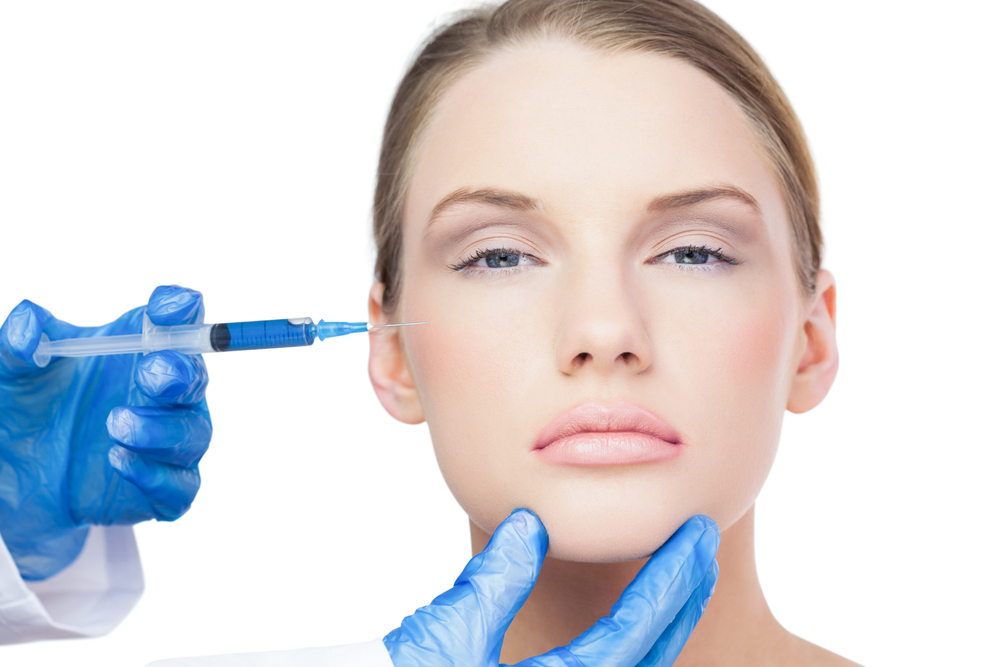
Healthy-looking skin depends on several factors, including hydration, pigmentation, environmental exposure, and daily skincare habits. Glutathione is an antioxidant naturally present in the body that helps protect cells from oxidative stress. It is often discussed in skincare and aesthetic wellness because of its potential relationship with skin tone and pigmentation. Interest in Glutathione Injections in Dubai has grown among people exploring options for a brighter, more even-looking complexion.
Uneven Skin Tone and Complexion Concerns
Uneven skin tone can develop when different areas of the face or body display varying degrees of pigmentation. A balanced approach to complexion care may include:
-
Applying broad-spectrum sunscreen regularly.
-
Using skincare products suited to individual skin needs.
-
Avoiding harsh products that can trigger irritation.
-
Seeking professional advice for persistent pigmentation changes.
These measures support healthier skin while addressing common contributors to uneven coloration.
Dark Spots and Hyperpigmentation
Dark spots can appear following sun exposure, acne, inflammation, or hormonal fluctuations. Hyperpigmentation occurs when excess melanin accumulates in particular areas, creating patches that look darker than the surrounding skin.
Identifying the nature of the pigmentation is important when considering suitable skincare options. Ingredients such as vitamin C, niacinamide, and azelaic acid may be useful for selected pigmentation concerns, depending on skin sensitivity and individual circumstances.
Dull-Looking Skin and Loss of Radiance
Dull skin can make the complexion appear tired or uneven. Dehydration, dead skin cell buildup, environmental pollutants, and inadequate sun protection can all contribute to a lack of visible radiance.
Supporting a healthy-looking complexion often involves simple, consistent habits. Gentle cleansing, appropriate moisturising, sufficient sleep, and daily sun protection can help maintain the skin's natural appearance. These practices address several common contributors to dullness without relying on unproven cosmetic claims.
Sun-Related Skin Discoloration
Repeated exposure to ultraviolet radiation can encourage pigmentation changes, freckles, and dark patches. Over time, sunlight may also contribute to uneven texture and visible signs of premature skin ageing. Important protective habits include:
-
Using broad-spectrum sunscreen with SPF 30 or higher.
-
Reapplying sunscreen as directed, particularly after swimming or sweating.
-
Wearing protective clothing and seeking shade during intense sunlight.
-
Avoiding intentional tanning and excessive ultraviolet exposure.
These steps help reduce further pigmentation and support the skin's long-term health.
Post-Acne Marks and Residual Pigmentation
Acne can leave behind flat brown, grey, or reddish marks even after active breakouts have settled. These marks may persist for some time and can be particularly noticeable on skin prone to pigmentation.
Skincare for post-acne pigmentation may involve sunscreen and suitable topical ingredients selected according to skin type. Active acne should also be managed appropriately to reduce the likelihood of additional marks developing. Raised scars and indented scars are different concerns and may require separate assessment.
Skin Ageing and Environmental Stress
Environmental exposure, including ultraviolet radiation and pollution, can contribute to oxidative stress. This process is associated with several aspects of skin ageing, such as changes in elasticity, fine lines, and uneven pigmentation.
Because glutathione acts as an antioxidant within the body, it is often discussed in connection with skin protection and ageing. However, this biological role does not establish that glutathione injections prevent wrinkles, restore elasticity, or reverse visible ageing.
Dryness and Skin Texture
Dryness can make skin feel rough, tight, or uncomfortable. Uneven texture may also result from acne, irritation, accumulated dead skin cells, or changes associated with ageing. Helpful skincare practices include:
-
Choosing a gentle cleanser that does not leave skin feeling stripped.
-
Applying a moisturiser containing ingredients such as ceramides or glycerin.
-
Avoiding excessive exfoliation and irritating product combinations.
-
Maintaining a routine appropriate for the skin's sensitivity.
These habits can help improve comfort and support a smoother-looking complexion.
Understanding Safety and Individual Suitability
Not every skin concern is suitable for an injectable antioxidant approach. Glutathione injections may carry risks, including allergic reactions and other adverse effects, while the long-term safety of cosmetic use is not well established. Product quality and the suitability of the formulation are also important considerations.
A clear understanding of realistic expectations can help prevent unnecessary treatments and encourage safer decisions about skin health.
Choosing a More Informed Approach to Skin Care
Different skin concerns require different forms of attention. Pigmentation, acne marks, dryness, dullness, and visible ageing may appear similar at first, but their causes and appropriate management options can vary considerably. Before choosing any treatment, consider the following:
-
Identify the main concern rather than pursuing general brightening.
-
Understand whether the issue involves pigmentation, inflammation, dryness, or scarring.
-
Review the evidence supporting any proposed treatment.
-
Prioritise established skincare practices and appropriate medical guidance.
Final Thoughts
Glutathione injections are frequently discussed for concerns such as uneven skin tone, dark spots, dullness, and pigmentation associated with sun exposure or acne. However, scientific evidence supporting their effectiveness for these cosmetic purposes remains limited, and they are not established treatments for dryness, scars, wrinkles, or sun damage. Maintaining a healthy complexion begins with understanding individual skin concerns and choosing appropriate, evidence-informed care.
Public Last Update: 2026-10-19 17:09:14