What Can Morpheus8 Do for the Appearance of Acne Scars?
Acne scars can leave lasting changes in the skin’s texture, making the complexion appear uneven even after active breakouts have subsided. These marks may include shallow depressions, irregular contours, and areas where the skin looks less smooth. Understanding the options available for addressing these concerns can help individuals make informed skincare decisions. Morpheus8 Dubai is a treatment option often discussed in relation to skin texture and the appearance of acne scars.
Understanding the Different Types of Acne Scars
Acne scars do not look the same on everyone. Their appearance depends on the nature of the original acne, the skin’s healing response, and changes in the underlying skin structure.
Common types of acne-related marks include:
-
Atrophic scars: Depressed areas that make the skin look uneven or pitted.
-
Rolling scars: Broad indentations that create a wavy skin surface.
-
Boxcar scars: Defined depressions with noticeable edges.
-
Raised scars: Areas of excess scar tissue that sit above the surrounding skin.
Identifying the type of scarring is important because different concerns may respond differently to available skin treatments.
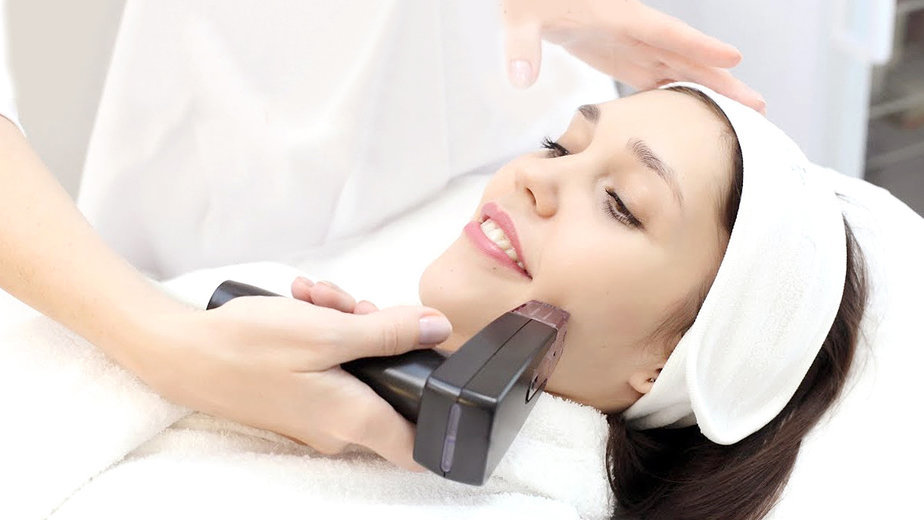
How Morpheus8 Relates to Uneven Skin Texture
Uneven texture is one of the main concerns associated with acne scarring. Depressed scars can interrupt the skin’s natural contours, creating shadows that make imperfections more noticeable under certain lighting conditions.
It is important to distinguish between improving the appearance of an indentation and completely removing the scar. These are different expectations, and established acne scars may remain visible even when their appearance becomes less prominent.
Addressing the Appearance of Depressed Acne Scars
Depressed scars can be particularly noticeable because they affect the surface contours of the face. They may appear as small pits, defined indentations, or broader areas of unevenness.
Deeper or sharply defined scars can present different challenges from shallow irregularities. Consequently, it is important to maintain realistic expectations rather than assuming that one treatment approach will address every type of acne scar equally.
Supporting a More Even-Looking Complexion
Acne scarring can affect more than skin texture. Uneven contours may create inconsistent light reflection, making the complexion appear rough or less uniform. These visual differences can remain noticeable even when active acne is no longer present.
A skin-rejuvenation approach may be relevant to individuals who want to improve the overall appearance of uneven areas. Morpheus8 is discussed in this context because of its association with skin texture and surface refinement.
Considering Skin Firmness and Surface Irregularities
Some people notice that acne scars appear alongside changes in the surrounding skin’s firmness or smoothness. When the surface contains several small depressions, the contrast between scarred and unaffected areas can make the complexion look irregular.
Morpheus8 is also associated with skin firmness and texture concerns. For individuals considering it for acne scars, these characteristics may be relevant when the primary concern involves the overall appearance of the skin rather than one isolated mark.
Understanding the Difference Between Acne Scars and Dark Marks
Not every mark left by acne is a true scar. Some people experience flat brown, red, or darker patches after a blemish heals. These are often forms of post-inflammatory discoloration rather than structural changes in the skin.
The distinction matters when considering options for improving skin appearance.
-
Textural scars involve changes in the skin’s surface or structure.
-
Dark marks involve excess pigmentation or discoloration.
-
Red marks may reflect lingering inflammation or changes in small blood vessels.
Recognizing the Importance of Individual Skin Characteristics
Acne scars vary considerably in depth, distribution, and visibility. Two people with similar-looking complexions may have different scar patterns and different skin sensitivities.
Factors that influence the appearance of scarring include skin tone, oiliness, dryness, existing irritation, and the presence of active acne. A person's tendency to develop pigmentation changes or raised scars may also affect the suitability of particular skin treatments.
Setting Realistic Expectations About Scar Improvement
Acne scars can be persistent because they may involve changes beneath the skin's surface. Although certain treatments can help improve their appearance, complete removal is not guaranteed.
-
Different scar types may respond differently.
-
Deep indentations can be more challenging than mild textural irregularities.
-
Pigmentation and structural scarring are separate concerns.
-
Natural skin texture may remain visible even after improvement.
Maintaining Skin Health Alongside Scar Care
Healthy skincare habits remain important for people dealing with acne scars. Gentle cleansing, suitable moisturization, and consistent sun protection can support the skin’s general condition and help reduce additional irritation.
A thoughtful skincare routine should reflect individual skin needs rather than relying on harsh exfoliation or multiple strong products. If acne remains active, managing breakouts is also important because new blemishes can create additional marks and scars.
Final Thoughts
Morpheus8 may be relevant to people seeking to improve the appearance of acne scars, particularly when uneven texture and skin-surface irregularities are their primary concerns. Its potential role should be considered in relation to the type, depth, and distribution of the scars rather than as a guaranteed way to achieve completely smooth skin. Understanding the difference between depressed scars, raised scars, dark marks, and redness helps clarify which concerns may need separate attention.
Public Last Update: 2026-10-12 15:54:08