What Makes Mole Removal Relevant for Facial Skin Concerns?
Facial moles are common skin features that can vary in size, shape, color, and texture. Some appear as small, flat spots, while others may be raised or slightly rough. Although many moles are harmless, their location on visible areas of the face can influence how people perceive their skin. For individuals exploring Mole Removal in Dubai, understanding the relationship between moles and facial skin concerns can help them make informed decisions about their skin health and personal appearance. Moles may be present from birth or develop during different stages of life, making awareness of their characteristics an important part of everyday skincare.
The Difference Between Cosmetic and Medical Concerns
Not every facial mole creates the same type of concern. Some people consider a mole primarily because of its appearance, whereas others become concerned about changes in its characteristics. Medical attention is particularly relevant when a mole develops unusual changes, including:
-
Noticeable differences in its size, shape, or color.
-
Uneven or irregular borders.
-
Multiple colors within the same spot.
-
Persistent itching, tenderness, or bleeding.
-
A new or changing lesion that appears different from other moles.
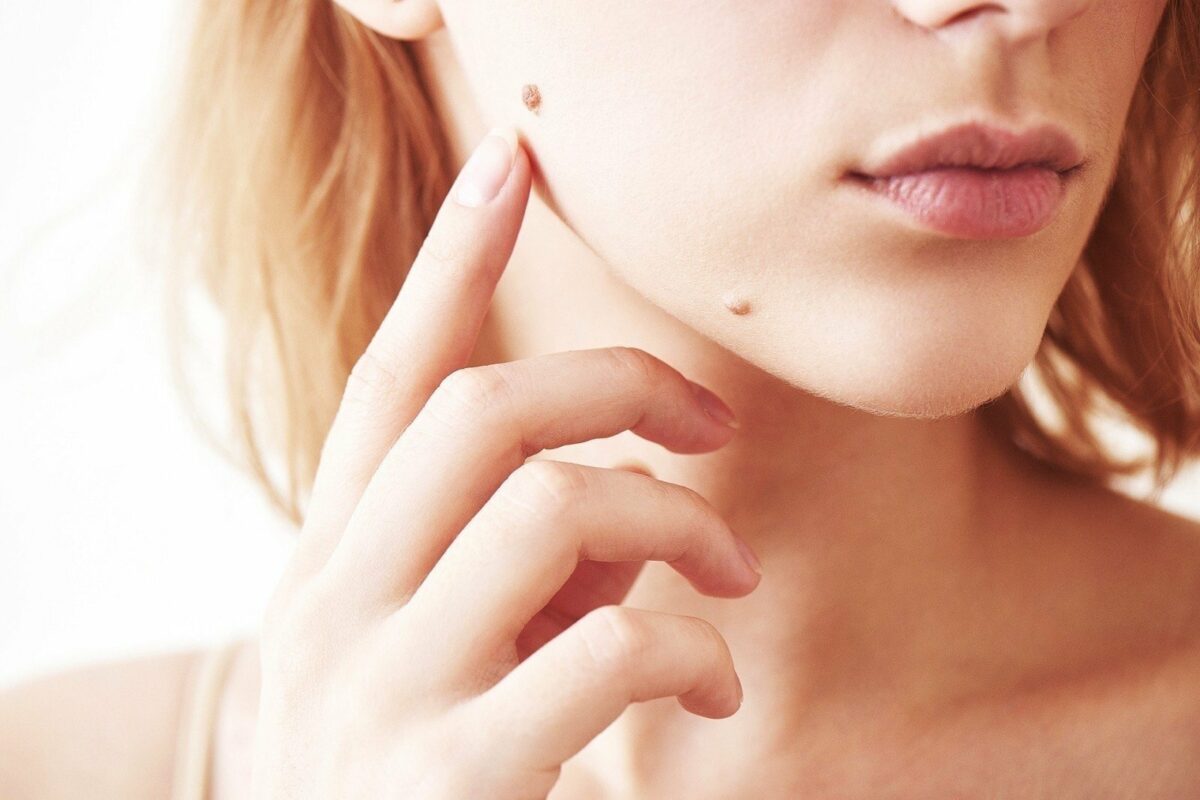
How Facial Moles Influence Personal Confidence
Personal confidence can be influenced by many aspects of appearance, including skin texture, pigmentation, acne marks, and visible moles. Some individuals become particularly conscious of a facial mole when it is located in an area that draws attention during conversations or photographs.
These feelings are personal and should be respected without suggesting that natural skin features are imperfections. Facial moles are common, and their presence does not determine a person's attractiveness or worth.
The Importance of Recognizing Changes in Moles
Monitoring existing moles is an important aspect of maintaining skin awareness. A familiar mark that changes noticeably deserves more attention than one that remains consistent in appearance.
-
Asymmetry: One half looks different from the other.
-
Border: The edges appear irregular or poorly defined.
-
Color: The mole contains varying shades or unusual colors.
-
Diameter: The spot is larger than expected, although concerning lesions can also be smaller.
-
Evolving: The mole changes in appearance, size, shape, or sensation.
Facial Moles and Overall Skin Appearance
Facial skin concerns rarely exist in isolation. A person's overall appearance may also be influenced by uneven pigmentation, enlarged pores, fine lines, acne scars, and variations in skin texture. In this context, a prominent mole may become one of several features that someone considers when thinking about their facial appearance.
It is important, however, to distinguish a mole from other pigmented spots. Freckles, age spots, and certain other skin lesions can sometimes resemble moles, but they may have different characteristics and considerations.
Factors That Make Mole Removal a Relevant Consideration
Mole removal may be relevant when a person has a persistent concern about a particular facial mark. Common reasons for considering professional evaluation include:
-
A mole located in a highly visible facial area.
-
Repeated irritation associated with rubbing or everyday contact.
-
Concerns about changes in the mole's appearance.
-
Uncertainty about whether a skin mark is harmless.
-
Personal preferences regarding facial appearance.
Why Professional Assessment Matters
Facial skin requires careful attention because different lesions can appear similar despite having different characteristics. A healthcare professional can examine a mole, review its history, and determine whether it requires additional investigation. This distinction is especially important when a spot is new, changing, or visibly different from surrounding marks.
Self-diagnosis based on photographs or online descriptions may be unreliable. Likewise, attempting to remove a mole at home can lead to infection, scarring, bleeding, or delayed recognition of a serious skin condition.
Skin Awareness and Everyday Facial Care
Maintaining general skin awareness supports a more informed approach to facial concerns. Gentle cleansing, suitable moisturization, and regular sun protection can contribute to everyday skin care, although these habits do not eliminate existing moles.
Sun protection is particularly important because ultraviolet exposure can damage the skin and increase the risk of certain skin cancers. Using broad-spectrum sunscreen, wearing protective clothing, and seeking shade when appropriate are useful habits.
Making Informed Decisions About Facial Moles
Decisions about facial moles should balance personal preferences with skin health. Someone concerned about a visible mark may benefit from understanding its nature before deciding whether any action is appropriate. Asking questions about the mole's characteristics, potential risks, and possible alternatives can support a more thoughtful decision.
It is equally important to maintain realistic expectations. Natural skin varies from person to person, and removing one visible mark does not address every facial skin concern.
Final Thoughts
Mole removal remains a relevant topic for facial skin concerns because moles can raise questions about appearance, comfort, and underlying skin health. While some people focus on the visibility of a particular mark, others may be more concerned about changes that require medical attention. Understanding these differences helps individuals make decisions based on accurate information rather than assumptions about beauty or skin perfection.
Public Last Update: 2026-10-20 14:19:12