Improving Industrial Efficiency with Advanced High Speed Fabric Door Systems
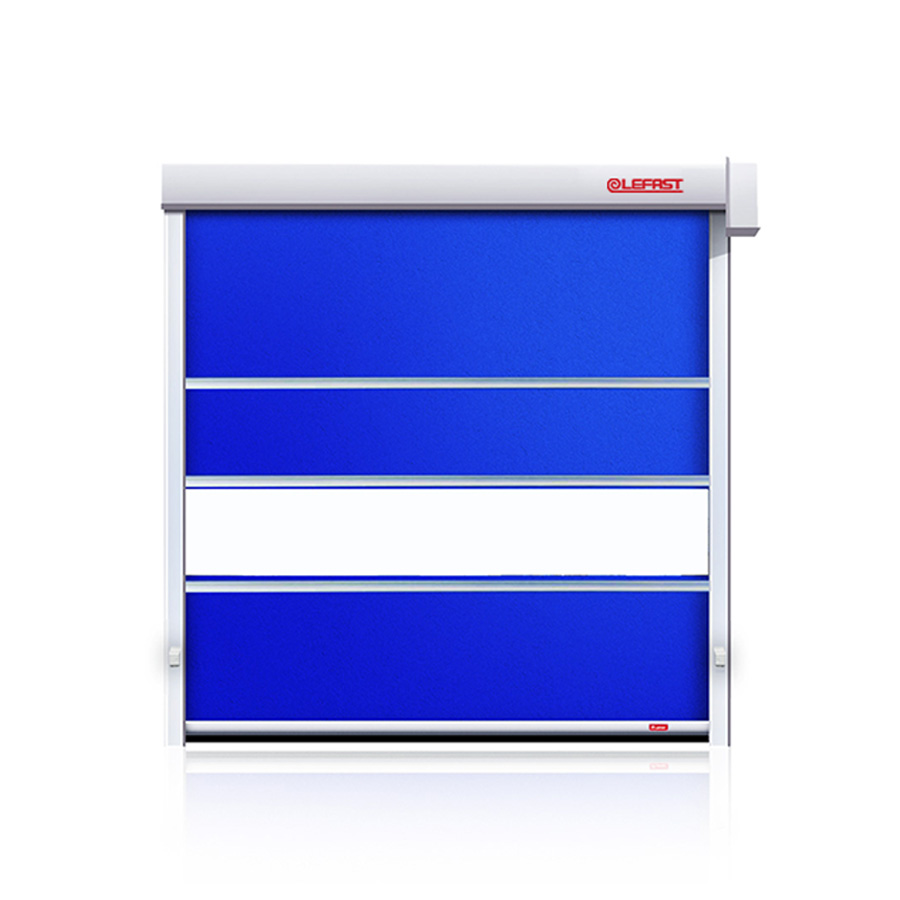
The performance of an industrial facility is influenced by many factors, including equipment quality, building design, employee coordination, and the movement of materials. Businesses often focus on improving production machinery and logistics processes, but the importance of well-designed access points should not be overlooked.
In facilities where employees, vehicles, and equipment move continuously, entrance systems can influence the efficiency of everyday operations. Modern high speed fabric doors offer a practical approach to managing these movements while supporting better organization within industrial buildings.
Their flexible construction, automated operation, and range of available configurations make them suitable for businesses that require dependable access solutions.
Rethinking Access in Modern Industrial Buildings
Industrial buildings have different access requirements depending on their purpose. A manufacturing plant may need separate entrances for production departments, while a distribution center requires convenient access between storage and loading areas.
Conventional doors can become inconvenient in locations where frequent movement is expected. Opening and closing them repeatedly may interrupt workflows and create unnecessary waiting periods.
Modern automated systems are designed to address these challenges. high speed fabric doors operate through motorized mechanisms that allow entrances to open and close within shorter periods. This makes them particularly useful for areas with regular forklift traffic and other material-handling activities.
Understanding Their Construction and Operation
A typical fabric door system includes a flexible curtain, supporting frame, motor assembly, and electronic control unit. Depending on the model, additional features may include reinforced fabric sections, transparent windows, automatic sensors, and protective mechanisms.
When an activation device is triggered, the motor moves the curtain to create an opening. Once access is complete, the system closes automatically according to its programmed settings.
The flexible curtain is an important part of the design. It provides an alternative to heavier rigid structures and can be manufactured using materials suited to particular industrial environments.
Businesses should review individual product specifications because operating speeds, construction quality, and available features vary between manufacturers.
Creating Smoother Material Transportation
The movement of goods is central to many industrial activities. Raw materials arrive at receiving areas, move through production departments, and eventually reach storage or dispatch locations.
A delay at one access point can affect the timing of several connected processes. In busy facilities, reducing these interruptions can help maintain a more consistent workflow.
High speed fabric doors support quicker movement through frequently used entrances. Forklifts and employees can pass between designated areas with less waiting, helping businesses organize their transportation activities more effectively.
For large warehouses, this can be particularly useful during peak operating hours when several vehicles are moving simultaneously.
Helping Businesses Manage Indoor Environments
Maintaining suitable indoor conditions is essential for certain commercial and industrial operations. Temperature-sensitive goods, specialized manufacturing processes, and controlled storage environments may all require careful environmental management.
When doors remain open for extended periods, outside air can enter and influence indoor conditions. Fast-operating systems help reduce the duration of these openings.
This can complement existing heating, ventilation, refrigeration, and air-conditioning systems. However, overall performance also depends on building insulation, door specifications, sealing quality, and the surrounding environment.
Choosing an appropriate curtain material is especially important when environmental control is a priority.
Industries That Benefit from Flexible Access Systems
High-speed fabric door technology has applications across several sectors.
Manufacturing Plants: These facilities can use automated doors between production departments to support movement while maintaining separation between working zones.
Logistics and Warehousing: Faster access helps manage the regular movement of forklifts, inventory, and delivery equipment.
Food Processing: Suitable systems can help separate different processing areas and support established cleanliness procedures.
Automotive Workshops: Service centers and manufacturing facilities often require convenient access for vehicles, tools, and machinery.
Cold Storage Operations: Fast opening and closing cycles may help reduce unnecessary air exchange in refrigerated environments.
The ideal configuration depends on the specific demands of each application.
Factors to Consider When Choosing a Door System
Selecting an industrial door requires an understanding of the facility's operational needs. A careful evaluation can help businesses avoid investing in equipment that does not match their requirements.
Some important considerations include:
-
Opening Size: The entrance must provide sufficient clearance for vehicles and equipment.
-
Operating Cycles: The selected system should accommodate the expected frequency of daily use.
-
Material Strength: Curtain construction should be appropriate for the surrounding working conditions.
-
Automation: Activation and control options should suit the movement patterns around the entrance.
-
Safety Components: Sensors and emergency controls should support safe operation.
-
Technical Support: Availability of maintenance services and replacement parts should be considered before purchasing.
A professional assessment can help identify the most suitable design for a particular building.
Why Safety Should Remain a Priority
Industrial entrances are often located in areas where pedestrians and moving vehicles share space. This makes safety an important part of door selection and installation.
Modern automated systems may include motion detectors, photoelectric sensors, safety edges, and emergency operating functions. These features are intended to help detect obstacles and reduce operational risks.
Correct positioning is equally important. Doors should be installed in a way that provides appropriate visibility and does not create unnecessary interference with nearby vehicle routes.
Employees should receive clear instructions on how to use the system and what to do if an operational fault occurs.
Maintenance for Consistent Performance
Frequent operation makes regular maintenance essential. Fabric curtains, motors, electronic controls, and moving components should be inspected according to the manufacturer's recommendations.
Maintenance teams should check for visible fabric damage, unusual mechanical sounds, sensor problems, and changes in opening or closing performance.
Cleaning procedures should match the material specifications and the hygiene requirements of the facility.
Keeping maintenance records can also help businesses identify recurring issues and plan servicing before unexpected equipment failure affects daily operations.
Adapting to the Future of Industrial Infrastructure
The industrial sector continues to evolve through automation, improved building designs, and more efficient resource management. Businesses are increasingly interested in equipment that can integrate into wider facility operations.
Door technology is developing alongside these changes. Better control systems, improved materials, and additional safety options are helping manufacturers provide more adaptable solutions.
High speed fabric doors are an important option within this evolving market, particularly for facilities that require reliable access and frequent movement between operational areas.
Conclusion
Efficient industrial management requires attention to both major production equipment and the smaller systems that support daily activities. Entrance design is one of these important considerations because it affects movement, environmental separation, and workplace organization.
High speed fabric doors provide a flexible and automated option for modern industrial buildings. When selected according to actual operating requirements and supported by professional installation and regular maintenance, they can contribute to smoother workflows and more effective facility management.
Public Last Update: 2026-11-01 18:06:00