Does Hair Transplant Help Improve the Look of Sparse Hair?
Sparse hair can change the overall appearance of the scalp, making certain areas look less covered than others. This concern may affect the hairline, crown, temples, or the top of the head. For many people, thinning hair also influences how they style their hair and how comfortable they feel with their appearance. Hair transplantation is one option associated with improving the visual coverage of areas affected by hair loss. When exploring Hair Transplant in Dubai, understanding its relationship with hair density, facial proportions, and individual hair characteristics can help people make informed decisions about their aesthetic concerns.
How Sparse Hair Influences Overall Appearance
Hair contributes to the visual balance of the face and head. When coverage becomes uneven, the scalp may appear more noticeable, particularly under bright lighting or when the hair is parted. Sparse hair can also make hairstyles look flatter and reduce the impression of fullness.
The appearance of thinning varies between individuals. Some experience reduced density around the temples, while others notice a wider parting or visible scalp near the crown.
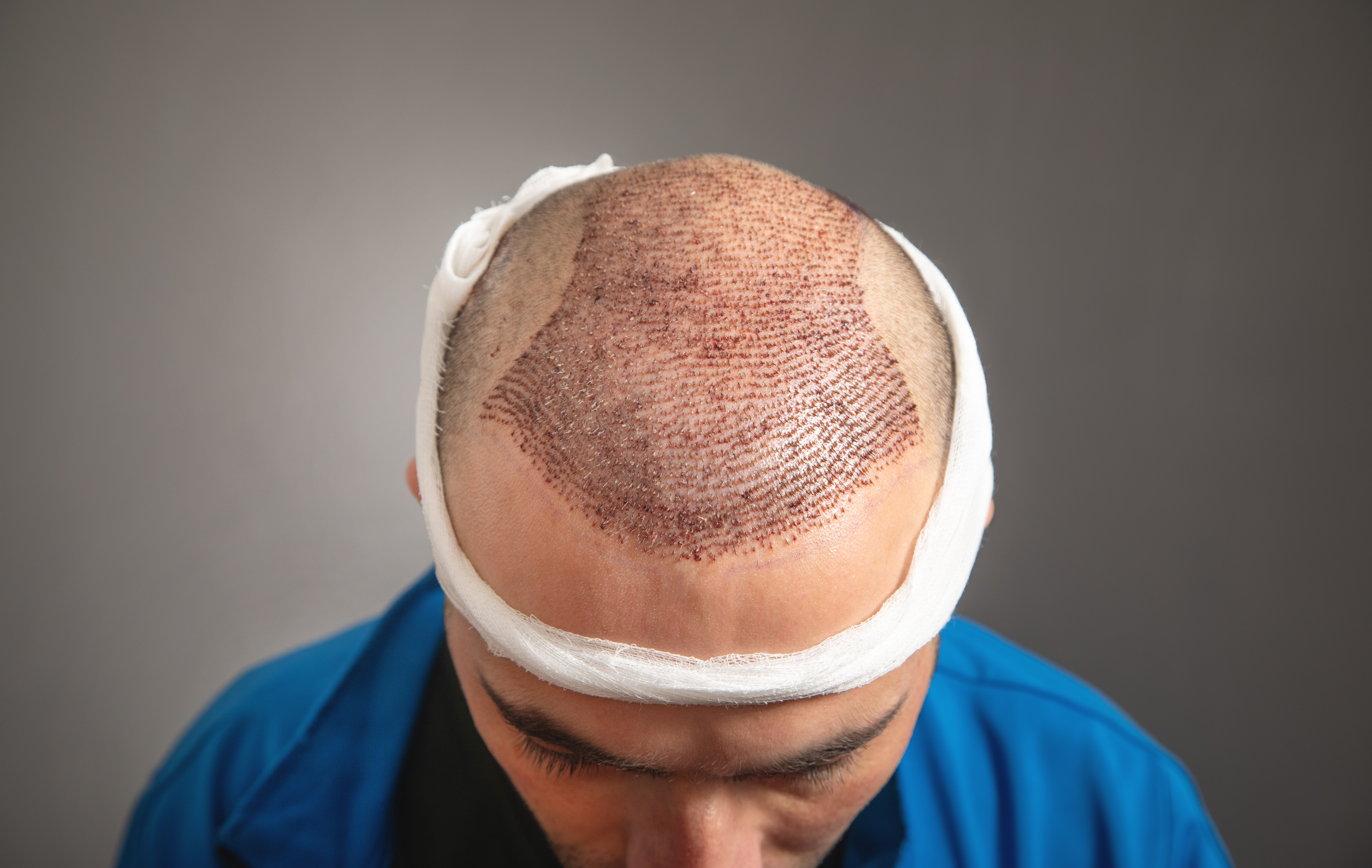
Can Hair Transplant Address Visible Thinning?
Hair transplantation can be an option for individuals experiencing certain forms of hair loss who want to improve the appearance of areas with limited coverage.
However, suitability depends on several individual factors, including the pattern of hair loss, existing hair characteristics, scalp condition, and the availability of suitable donor hair. Not every type of sparse hair responds equally well to this approach.
The Importance of Natural-Looking Hair Density
Natural-looking density does not necessarily mean having extremely thick hair across the entire scalp.
Several characteristics contribute to the visual impression of density:
-
The spacing and distribution of existing hair.
-
The contrast between the hair and the scalp.
-
The natural direction and texture of the hair.
-
The relationship between the hairline and facial features.
These characteristics help explain why two people with similar amounts of hair may have noticeably different levels of visible scalp coverage. An aesthetically balanced appearance depends on how these elements work together.
Hairline Appearance and Facial Proportions
The hairline plays an important role in framing the face. When hair becomes sparse around the temples or front of the scalp, the forehead may appear more prominent, changing the perceived proportions of the face.
A natural-looking hairline generally complements individual facial features rather than following one universal shape. Age, facial structure, hair texture, and the existing pattern of hair growth all influence how the hairline contributes to overall appearance.
Why Existing Hair Characteristics Matter
Hair texture and colour can significantly influence how sparse an area appears. Thick, curly, or wavy hair may create a fuller visual impression, while fine, straight hair can leave more of the scalp visible, even when the number of hairs is relatively similar.
-
Hair thickness: Coarser strands may create a stronger impression of fullness.
-
Hair colour: Greater contrast between hair and scalp can make thinning more noticeable.
-
Hair texture: Waves and curls may provide more visual coverage than very straight strands.
-
Natural growth pattern: Uneven distribution can influence the appearance of density.
Considering these differences helps establish realistic expectations about the appearance of sparse hair.
The Role of Scalp Visibility in Hair Appearance
Scalp visibility is one of the main reasons thinning hair attracts attention. When the scalp contrasts strongly with the surrounding hair, areas of reduced density can become more noticeable. This effect may be particularly apparent around the crown, along the parting, or near the temples.
Lighting, hairstyle, hair length, and styling habits can also influence how much scalp is visible. Therefore, sparse hair should not be assessed solely by the amount of skin showing through the strands.
Different Patterns of Sparse Hair
Sparse hair does not look the same for everyone. Recognising the pattern can help clarify the aesthetic concern that someone wants to address.
Some individuals experience thinning along the frontal hairline, while others notice reduced coverage at the crown. Diffuse thinning may affect larger portions of the scalp, creating a general impression of reduced fullness instead of a clearly defined bald area.
Personal Expectations and Hair Coverage Goals
Expectations play an important role when evaluating hair transplantation as an aesthetic option. Some people want to make a receding hairline look less prominent, while others are concerned about visible scalp or an uneven distribution of hair.
It is helpful to distinguish between improving coverage in selected areas and expecting the scalp to have uniformly thick hair everywhere. Natural hair characteristics, the extent of existing thinning, and the pattern of future hair loss can influence what is realistically achievable.
Final Thoughts
Hair transplantation can help improve the appearance of sparse hair for appropriately selected individuals by addressing areas where coverage is limited. Its aesthetic relevance extends beyond thickness alone, involving the hairline, scalp visibility, hair texture, and the overall balance of hair distribution. However, suitability varies according to the cause and extent of hair loss, existing hair characteristics, and individual expectations.
Public Last Update: 2026-10-12 17:08:45