What Makes Mole Removal an Option for Unwanted Skin Moles?
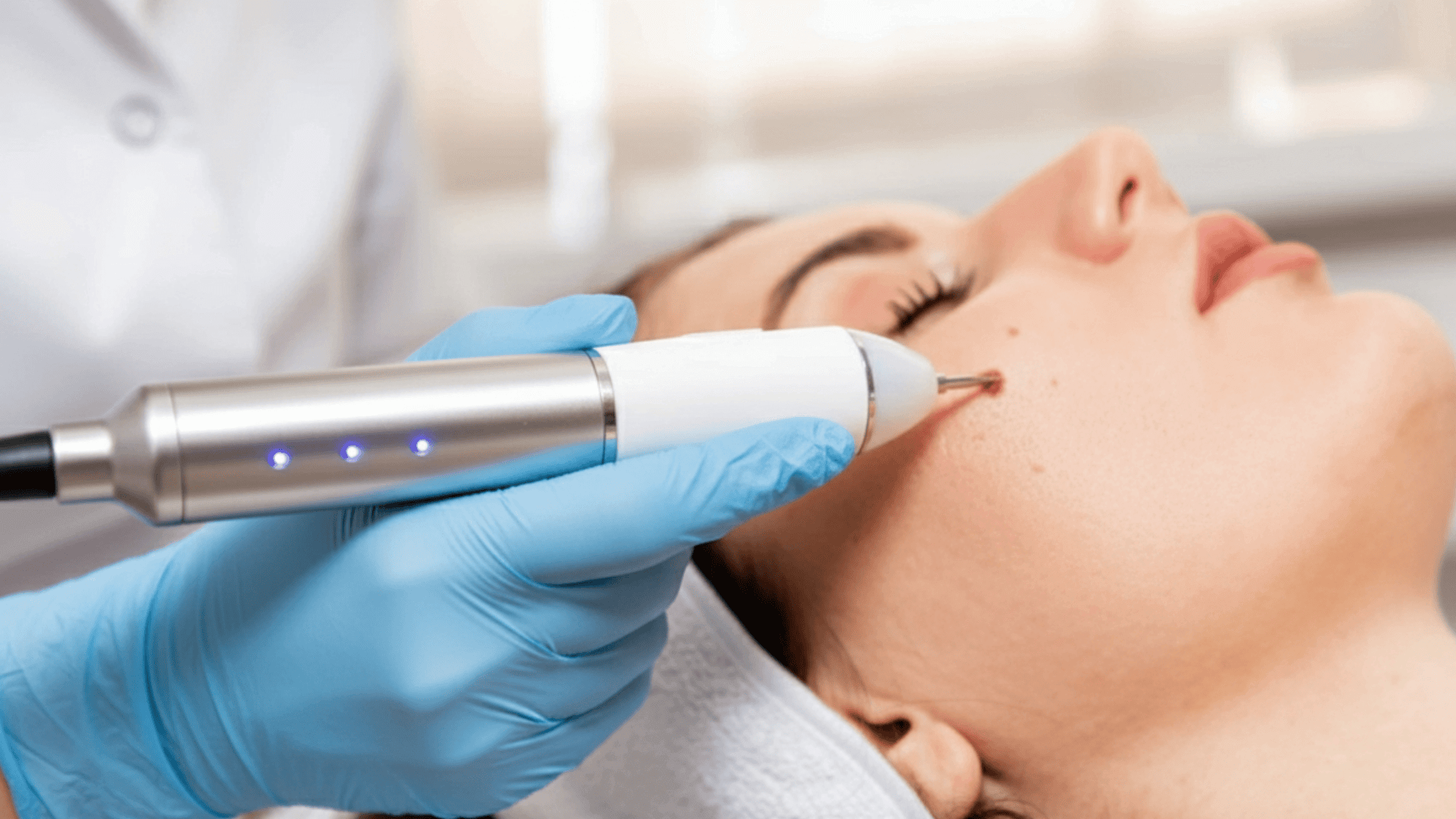
Skin moles are common features that can appear on different parts of the body. They vary in color, shape, size, and texture, making each mole unique in appearance. While many moles are harmless, some people may feel uncomfortable with certain marks because of their visibility or how they affect their overall appearance. Choosing Mole Removal in Dubai can be a consideration for individuals who want to address unwanted moles and feel more comfortable with their skin. Understanding the reasons behind this personal choice helps people make informed decisions about their skin health and appearance.
Why Do People Consider Mole Removal?
People have different reasons for wanting to remove a mole. For some, the concern is primarily cosmetic, while others may notice changes in a mole that deserve professional attention. Common reasons people consider mole removal include:
-
Feeling self-conscious about a visible mole.
-
Having a mole that catches on clothing or jewelry.
-
Experiencing repeated irritation from shaving or everyday friction.
-
Noticing changes in a mole's appearance.
-
Wanting a more comfortable relationship with their natural skin features.
The Influence of Moles on Personal Confidence
Personal confidence is often connected to how comfortable someone feels with their appearance. Although moles are natural skin features, individuals may become particularly aware of those located on the face, neck, or other exposed areas. Some people appreciate their moles as distinctive characteristics, while others prefer to have certain marks assessed for removal.
The decision is personal and does not mean that natural skin features are undesirable. Instead, it reflects the importance of feeling comfortable in one's own skin. Understanding this distinction can help people approach their concerns without unnecessary pressure to meet unrealistic beauty standards.
Cosmetic Concerns and Visible Skin Marks
Visible moles may become a cosmetic concern when they stand out against the surrounding skin or draw attention to a particular area. Cosmetic concerns may involve:
-
Moles located on the cheeks, forehead, or chin.
-
Dark marks that contrast with the surrounding complexion.
-
Raised moles that affect the appearance of the skin's surface.
-
Moles that make someone feel less comfortable in photographs or social settings.
When Should a Mole Receive Professional Attention?
Signs that deserve professional assessment include:
-
An asymmetrical shape or irregular border.
-
Several colors appearing within the same mole.
-
A noticeable change in size, shape, or color.
-
Persistent itching, tenderness, or bleeding.
-
A new or unusual mark that looks different from other moles.
The Difference Between Common Moles and Concerning Marks
Moles can look different depending on their natural characteristics. Some remain relatively consistent throughout life, while others may change with age or hormonal influences. Nevertheless, appearance alone cannot always establish whether a mole is harmless.
A person may mistake another type of skin growth for a common mole, which makes accurate identification important. Freckles, skin tags, seborrheic keratoses, and certain pigmented lesions can sometimes be confused with moles despite having different characteristics.
Factors That Influence a Personal Decision
Choosing to address an unwanted mole involves more than simply disliking its appearance. People may consider its location, visibility, level of irritation, and significance to their personal confidence. Their understanding of the mole's nature is equally important.
Several factors may influence the decision:
-
Visibility: A mole in a frequently exposed area may attract more attention.
-
Comfort: Repeated rubbing from clothing or accessories may cause irritation.
-
Personal preference: Individual expectations about appearance can differ considerably.
-
Skin health: Suspicious features require appropriate medical assessment.
-
Professional guidance: Understanding whether a mark is suitable for removal supports informed decision-making.
Skin Health and Responsible Mole Management
Responsible mole management begins with awareness rather than automatically seeking removal. Regularly observing existing moles can help people recognize unfamiliar changes and discuss concerns with a healthcare professional. Keeping track of unusual marks is particularly helpful for individuals who have numerous moles or a personal or family history of skin cancer.
Sun protection also plays an important role in general skin health. Using broad-spectrum sunscreen, wearing protective clothing, and limiting excessive exposure to ultraviolet radiation can help reduce skin damage.
Setting Realistic Expectations About Mole Removal
Every mole has individual characteristics, and not every skin mark is suitable for cosmetic removal. Factors such as location, size, pigmentation, and the nature of the lesion can influence the options a healthcare professional considers appropriate.
People should understand that addressing a mole does not guarantee completely unmarked skin. Scarring or changes in pigmentation may occur, depending on individual skin characteristics and the approach used. A professional assessment can help explain relevant considerations and clarify whether the person's expectations are realistic.
Final Thoughts
Mole removal may be an option for individuals who feel uncomfortable with particular skin marks, experience repeated irritation, or have concerns about a mole's changing appearance. The reasons for considering it can be cosmetic, practical, or related to medical evaluation. However, the first priority should always be understanding the nature of the mole rather than assuming that every unwanted mark needs removal. Paying attention to unusual changes, seeking qualified medical advice, and avoiding unverified home remedies are essential parts of responsible skin care.
Public Last Update: 2026-10-14 16:50:06