What Can Increase the Cost of a Hair Transplant Treatment?
Hair restoration is a personal decision influenced by several considerations, including hair loss patterns, individual expectations, and the amount of coverage desired. Understanding the factors that shape Hair Transplant Cost in Dubai can help individuals evaluate their options more confidently. Although pricing is an important consideration, it is equally useful to understand how hair characteristics, donor area suitability, treatment goals, and individual needs may influence the overall financial commitment.
Extent of Hair Loss
The extent of hair loss is one of the main considerations when evaluating hair restoration needs. Individuals experiencing mild thinning may have different requirements from those with extensive hair loss across the scalp. Larger areas of thinning can require greater coverage, which may influence the resources needed for an appropriate treatment plan.
Hair loss patterns also differ between individuals. Some people experience thinning around the temples, while others notice changes along the frontal hairline, crown, or multiple areas.
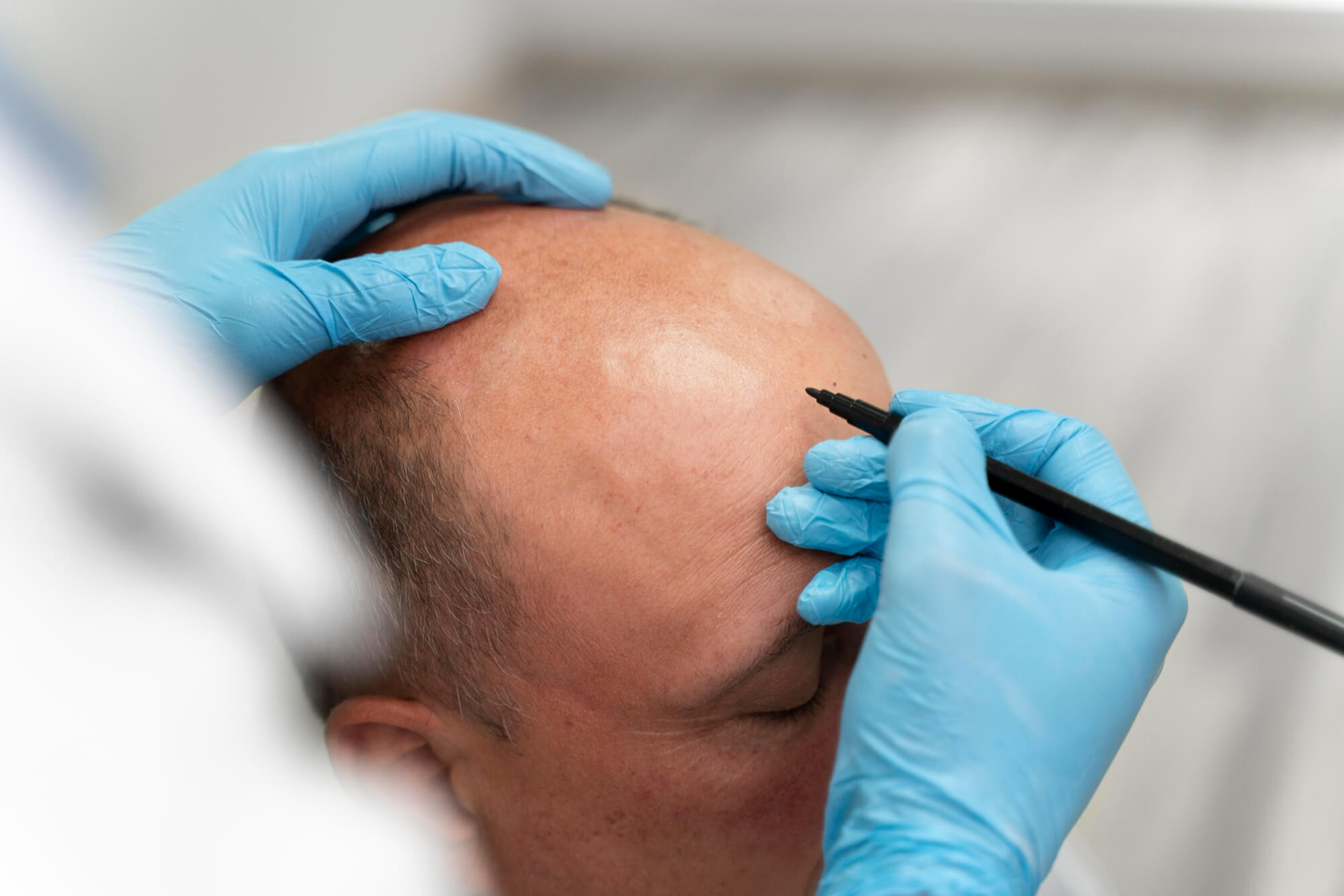
General Hair Transplant Pricing
Hair transplant charges at Dynamic Life Clinics vary from 6,999 AED to 9,999 AED, exclusive of 5% VAT. The amount applicable to an individual depends on their assessed needs and the treatment plan considered suitable for their circumstances.
Rather than focusing exclusively on a quoted figure, prospective patients should understand what their specific treatment plan includes.
Number of Grafts Required
The number of grafts considered necessary for hair restoration can influence the overall treatment expense. Several considerations can affect graft requirements:
-
The size of the area affected by hair loss.
-
The density of existing hair surrounding the thinning region.
-
The desired appearance of the hairline.
-
The availability of suitable donor hair.
Donor Hair Availability
The donor area, commonly located at the back or sides of the scalp, is an important consideration in hair restoration planning. Its suitability depends on hair density, follicular characteristics, and the amount of healthy hair available for potential transplantation.
Individuals with limited donor hair may require more careful planning to balance coverage across the areas of concern. In contrast, suitable donor availability can provide greater flexibility when considering restoration goals.
Hair Characteristics and Density Goals
Natural hair characteristics can influence the approach to restoration. Hair thickness, texture, colour contrast with the scalp, and the direction in which hair naturally grows all contribute to the appearance of coverage.
Density goals also vary. Some individuals prioritise a defined frontal hairline, while others are more concerned about improving the appearance of a thinning crown. These preferences may affect the proposed treatment requirements and should be discussed during an individual consultation.
Hairline Design and Coverage Preferences
A hairline is a distinctive feature of facial appearance, and its design requires consideration of facial proportions, age, existing hair distribution, and personal preferences. More extensive coverage goals may require additional planning and resources compared with addressing a small area of concern.
A suitable hairline should complement natural facial features rather than follow a universal template. An excessively low or dense design may not be appropriate for every individual, particularly when long-term hair loss patterns are considered.
Existing Hair and Scalp Condition
The condition of the scalp and surrounding hair can affect the suitability and planning of hair restoration. Existing thinning, scalp irritation, scarring, or certain dermatological concerns may require professional evaluation before treatment is considered.
An appropriate assessment helps determine whether additional evaluation or supportive care should be considered. Any associated expenses will depend on the individual's needs and the recommendations made by a qualified professional.
Individual Hair Restoration Goals
Personal expectations are another important consideration when assessing potential expenses. Individuals should consider:
-
Their primary areas of concern.
-
Their preferred level of visible coverage.
-
Their natural hair characteristics.
-
Their expectations for maintaining a balanced appearance.
Professional Assessment and Personalised Planning
A personalised assessment helps bring together the factors that influence hair restoration planning. A qualified professional can evaluate the pattern of hair loss, donor hair availability, scalp condition, and individual expectations before discussing appropriate options.
Understanding the reasoning behind a recommendation can also help individuals make informed decisions instead of relying on assumptions or selecting an option based exclusively on the lowest advertised price.
Final Thoughts
Several factors can influence the overall expense of hair transplant treatment, including the extent of hair loss, graft requirements, donor hair availability, natural hair characteristics, density preferences, and individual restoration goals. Understanding these considerations provides a useful foundation for evaluating available options. Rather than viewing pricing as a single figure, individuals should consider how their personal needs shape the proposed treatment plan.
Public Last Update: 2026-11-16 14:14:02