What Makes Subcision Treatment an Option for Facial Indentations?
Facial indentations can influence how the skin looks and feels, particularly when uneven areas remain after acne has healed. These visible depressions may create a textured appearance that some individuals find difficult to manage with ordinary skincare products. Subcision Treatment for Acne Scars Dubai is a commonly explored option for individuals interested in addressing certain types of depressed acne scars. Its relevance depends on the nature of the indentations, individual skin characteristics, and personal aesthetic concerns.
Understanding Facial Indentations
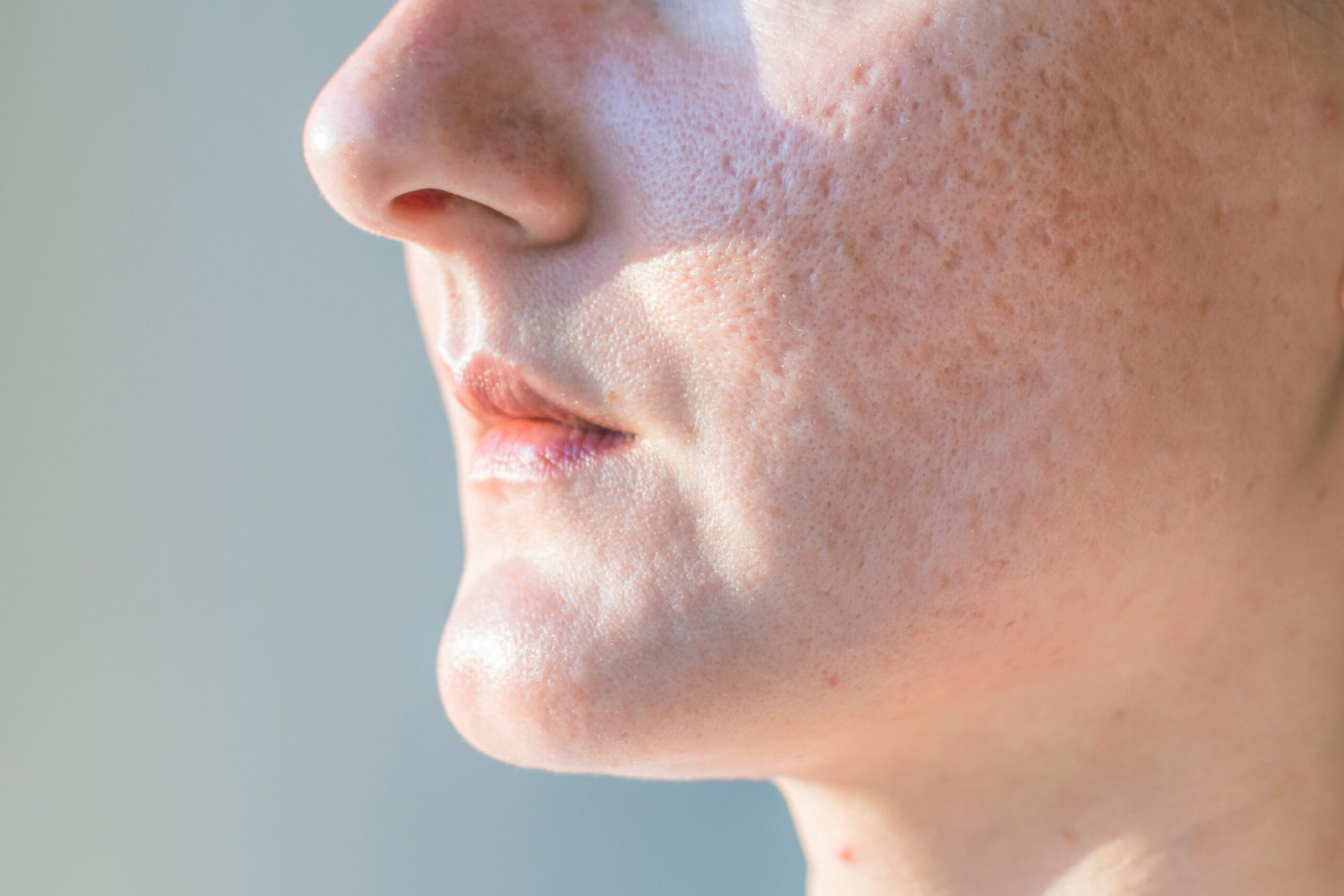
Facial indentations are depressed areas that interrupt the otherwise smooth appearance of the skin. They may vary in depth, width, shape, and distribution across the cheeks, temples, forehead, or other facial regions.
- Shallow or deep depressions that create an uneven surface.
- Irregular skin texture that becomes more noticeable in certain lighting.
- Differences in indentation shape, size, and distribution.
- Visible marks associated with previous inflammatory acne.
Recognizing these characteristics helps individuals understand why a single skincare approach may not address every type of facial indentation equally well.
Why Consider Subcision for Depressed Acne Scars?
Subcision is a scar-focused treatment option generally associated with certain depressed acne scars, particularly those that appear tethered or pulled downward.
- Depressed acne scars create an uneven facial contour.
- Certain indentations appear connected to underlying scar tissue.
- Persistent textural concerns remain after active acne has improved.
- An individual wants to understand options beyond routine topical skincare.
Suitability depends on professional assessment rather than appearance alone. Not every indentation requires the same type of care, and some scars may be better suited to alternative approaches.
Which Types of Facial Indentations May Be Relevant?
Understanding scar categories is essential when considering any treatment focused on facial depressions. Acne scars are often grouped according to their shape and appearance, and these distinctions help explain why different treatment approaches exist.
Boxcar scars generally have more defined edges and a wider, crater-like appearance. Their suitability for subcision depends on their depth, shape, and underlying characteristics. Ice pick scars, in contrast, are narrow and deep, so they often require different considerations.
Factors That Influence Treatment Suitability
The appearance of an indentation is only one part of determining whether subcision deserves consideration. Individual skin characteristics, medical history, and the nature of the scar all contribute to an appropriate assessment.
- Scar characteristics: Depth, width, shape, and the presence of tethering can influence suitability.
- Skin condition: Active acne, inflammation, irritation, or infection may affect treatment planning.
- Medical history: Previous scarring tendencies, bleeding concerns, medications, and relevant health conditions should be discussed.
- Skin tone and sensitivity: Individual characteristics may influence the risk of discoloration or other unwanted effects.
- Personal expectations: Understanding the limitations of any treatment helps support realistic decisions.
How Does Subcision Fit Into Broader Skin Care?
Facial scar management involves more than addressing the appearance of existing indentations. Maintaining general skin health and reducing the likelihood of new acne lesions are also important considerations. When active breakouts continue, new scars may develop and complicate efforts to manage older marks.
A balanced skincare routine can support the skin barrier and help maintain overall skin condition. Gentle cleansing, suitable moisturization, and daily broad-spectrum sun protection are useful foundations for many people. Individuals experiencing persistent acne may also benefit from professional guidance on managing inflammation and preventing additional scarring.
Important Considerations Before Making a Decision
Anyone exploring subcision should understand that treatment suitability and safety depend on individual circumstances. Temporary swelling, bruising, tenderness, infection, and changes in pigmentation are among the potential concerns that should be discussed with a qualified professional.
It is equally important to avoid assuming that every depressed scar can be addressed through one approach. Some individuals may need a different treatment, while others may benefit from a carefully selected combination of options. Clear communication about expectations, limitations, and possible complications supports more informed choices.
Final Thoughts
Subcision can be an option worth discussing for selected facial indentations, particularly depressed acne scars associated with underlying tethering. Its relevance depends on the scar's shape, depth, and individual skin characteristics rather than the mere presence of uneven texture. By considering professional assessment, skin health, potential risks, and realistic expectations, individuals can make better-informed decisions about managing facial indentations and choosing an approach suited to their specific concerns.
Public Last Update: 2026-10-09 14:04:09